Projects
3 projectsLow-Voltage CMOS Variable Gain Amplifier Designed a 1.2 V CMOS variable gain amplifier using a modified Cherry–Hooper topology and a custom current mirror for low-voltage biasing.
The project
Designed a 1.2 V CMOS variable gain amplifier targeting −6 to +18 dB gain, gain steps of 3 dB or less, bandwidth above 250 MHz, and gain error below 1.5 dB. Additional targets included at least 300 mVpp output swing, THD below −35 dB at 25 MHz and 250 mVpp output, input-referred noise below 15 nV/√Hz at maximum gain, and power consumption below 5 mW.
Results
Simulations demonstrated −6.01 to +17.9 dB gain, bandwidth above 250 MHz at both endpoint gains, and approximately 301 mVpp differential output swing with −46.92 dB THD near 25 MHz. Input-referred noise measured 8.49 nV/√Hz at 25 MHz, and power consumption was 4.956 mW with all other specs in range aswell.
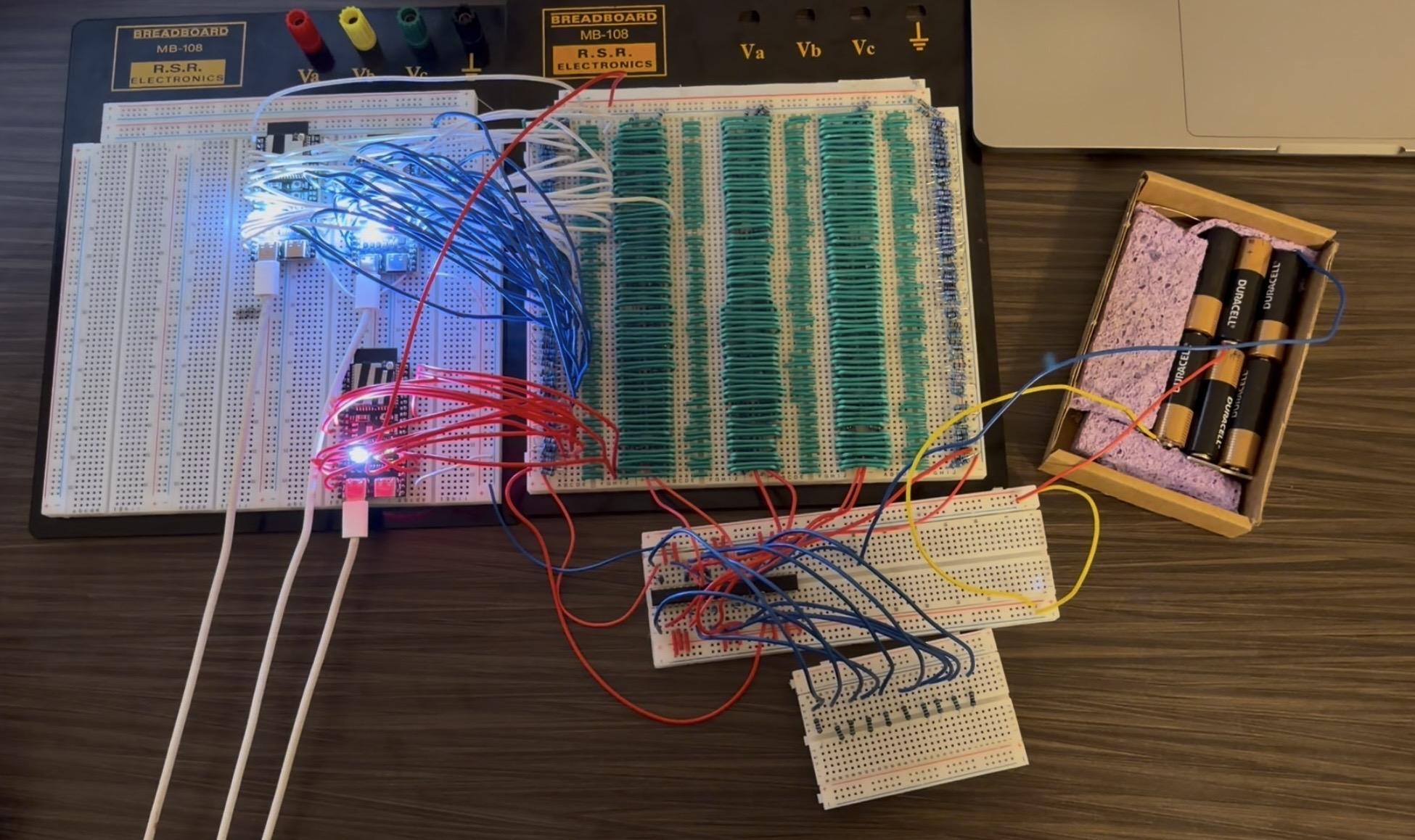
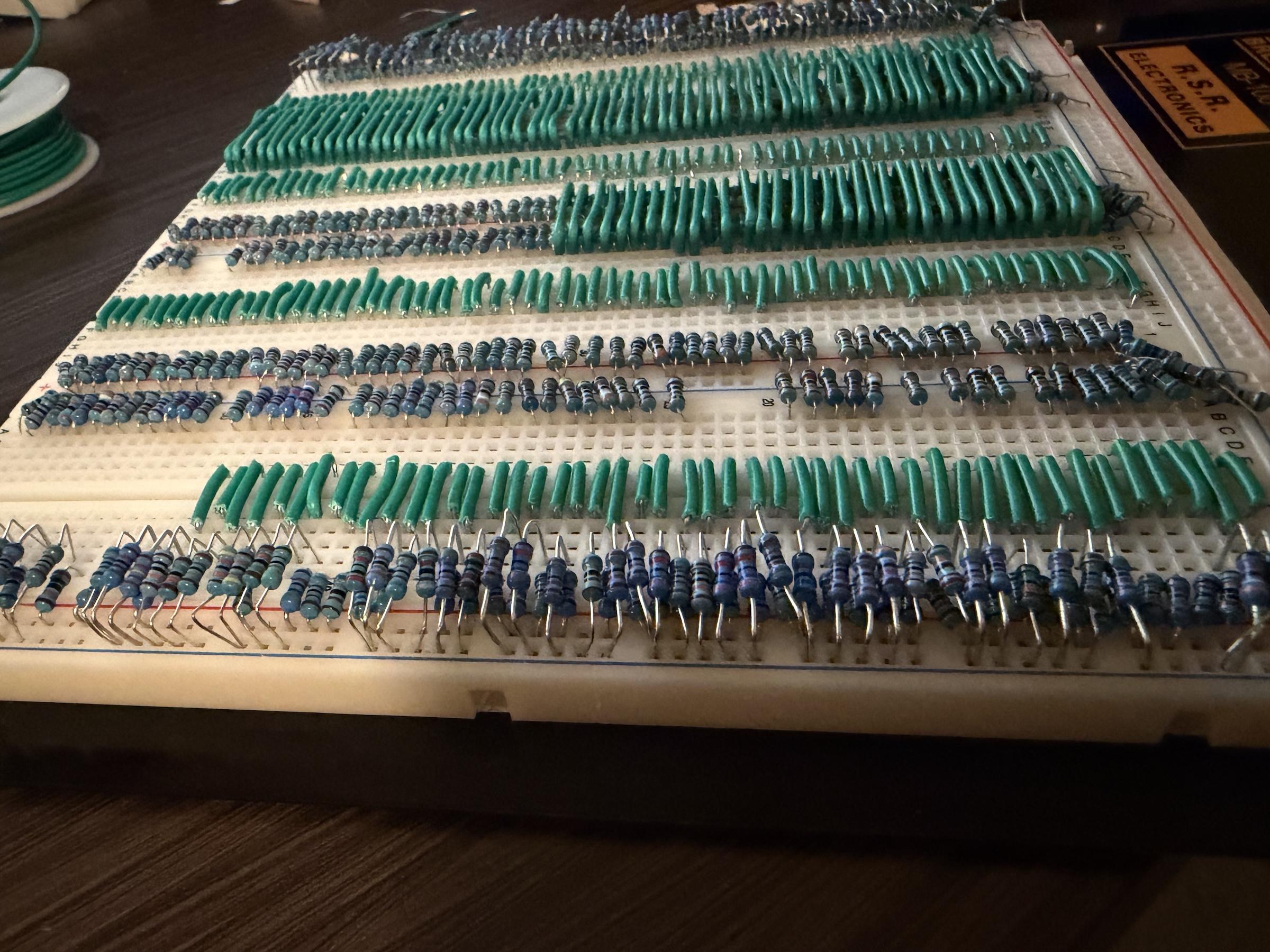
Resistor-Based Digit Recognition Neural Network Trained a digit-recognition neural network in PyTorch and implemented its learned weights using approximately 650 resistors. The hardware achieved approximately 85% accuracy in testing.
The project
The circuit represented the network’s learned weights as resistor conductances, producing ten output currents corresponding to digits 0–9. Each current fed an op-amp transimpedance amplifier with a 2.2 kΩ feedback resistor and a grounded noninverting input. This converted the currents into negative output voltages; the output with the largest magnitude identified the predicted digit.
My contribution
Trained the neural network and developed a scaling method to map its weights to resistor conductances while keeping resistance values close to standard E-series values. Assembled the approximately 650-resistor network, implemented the op-amp readout circuits, and tested the hardware’s digit-recognition accuracy.
Results
Achieved approximately 85% digit-recognition accuracy in hardware testing and was named a finalist in the 2026 Chips & AI Hackathon at Purdue University.
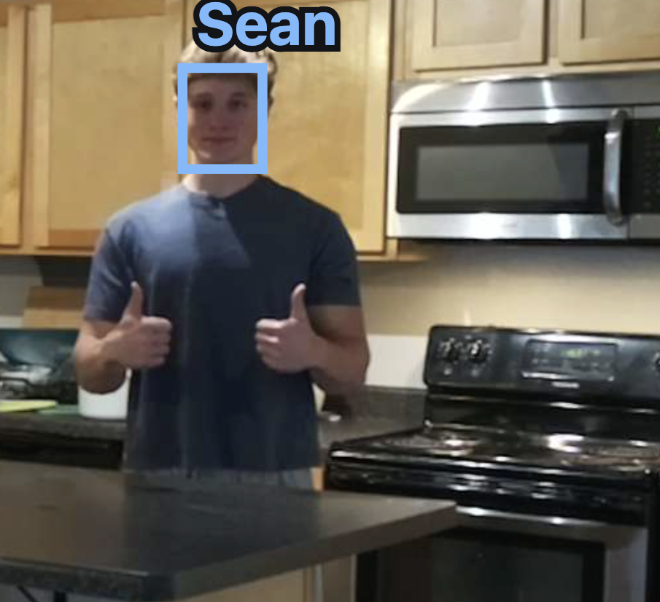
Raspberry Pi Security Camera with Face Recognition Built a Raspberry Pi camera system that streams video over Wi-Fi to a computer for face recognition, timestamped event logging, and Discord notifications.
The project
This project connects a Raspberry Pi camera module to a computer-based video processing system. The Raspberry Pi captures and transmits video over Wi-Fi, while the computer runs face recognition and logs video timestamps for later review. When the system identifies a configured person of interest, it sends a Discord notification.
My contribution
Integrated the Raspberry Pi camera, wireless video stream, computer-based recognition, event logging, and Discord notifications into a working monitoring system.
Results
Implemented wireless video streaming, face recognition, timestamp logging, and automated Discord alerts. Processing video on a separate computer allows the Raspberry Pi to serve as the camera and streaming device.